
Introduction

Feeling stressed at work all the time can be emotionally draining. You may wake up tired, feel tense during working hours, and still think about work even after coming home. Many people experience this, but they don’t always understand why it happens or what they can do about it.
Work-related stress does not mean you are weak or incapable. In most cases, it is a response to constant pressure, expectations, and lack of balance. In this article, we’ll explore the common reasons behind feeling stressed at work, how it affects your mental well-being, and simple ways to manage work stress naturally.
What Does Feeling Stressed at Work Mean?
Feeling stressed at work means your job is creating mental or emotional pressure that feels hard to handle. This pressure can come from workload, deadlines, expectations, or even the work environment itself.
When stress at work becomes constant, your mind stays in a state of alert. Over time, this can make you feel overwhelmed, anxious, or mentally exhausted. Work stress is not always caused by one big problem — it often builds slowly through daily pressure.
Common Reasons You Feel Stressed at Work All the Time

There are many reasons why people feel stressed at work all the time, and most of them are very common.
One major reason is a heavy workload. When tasks keep piling up and deadlines feel unrealistic, your mind doesn’t get a break. This constant pressure can lead to work-related stress.
Another common cause is unclear expectations. When you’re not sure what is expected from you, or when expectations keep changing, it creates confusion and mental tension.
Long working hours also play a big role. When work starts taking over your personal time, it affects your work-life balance and increases stress at work.
A stressful or unsupportive work environment can make things worse. Lack of appreciation, workplace conflicts, or fear of making mistakes can increase job stress.
Lastly, fear related to performance, job security, or career growth can cause ongoing mental stress at work, even when things seem fine on the surface.
How Constant Work Stress Affects Your Mental and Physical Health

Constant work stress does not stay limited to office hours. It often follows you home and affects your overall well-being.
Mentally, ongoing stress at work can lead to overthinking, irritability, low motivation, and difficulty concentrating. You may feel mentally tired even after resting.
Physically, stress can show up as headaches, muscle tension, fatigue, or sleep problems. While stress is a natural response, long-term work pressure can make daily life feel harder than it should be.
This is why managing work stress early is important.
Signs That Work Stress Is Taking a Toll on You
Sometimes, we don’t realize how stressed we are until our body and mind start showing signs.
You might notice that you feel anxious before work or constantly think about tasks even after working hours. Feeling overwhelmed, emotionally drained, or easily irritated are also common signs.
Other signs include lack of focus, low energy, poor sleep, or feeling disconnected from things you once enjoyed. These signs don’t mean something is “wrong” with you — they are signals that your stress at work needs attention.
Simple Ways to Reduce Stress at Work Naturally
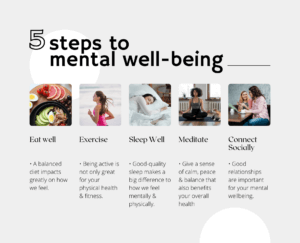
Reducing work stress does not always require big changes. Small, consistent actions can make a difference.
Start by setting realistic boundaries. Try to separate work time and personal time as much as possible, even if it’s just avoiding work messages late at night.
Taking short breaks during work hours can help reset your mind. Simple breathing exercises or stepping away from your screen for a few minutes can lower mental stress.
Organizing tasks and prioritizing what truly needs attention can reduce the feeling of being overwhelmed. Focus on one task at a time instead of everything at once.
It also helps to talk about your stress. Sharing how you feel with a trusted person can reduce emotional pressure and help you feel supported.
Daily Habits That Help Manage Work Stress Long-Term
Building small daily habits can help manage stress at work over time.
Getting enough rest and maintaining a regular sleep schedule supports your mental health. Physical movement, even light exercise or walking, can help release built-up tension.
Practicing mindfulness, journaling, or quiet reflection can help calm a busy mind. Limiting screen time after work allows your brain to relax and recover.
Most importantly, remind yourself that your job is a part of your life — not your entire identity.
When Should You Consider Seeking Professional Help?
If you feel stressed at work all the time and it starts affecting your daily functioning, relationships, or emotional health, it may be helpful to seek professional support.
Talking to a mental health professional can provide guidance, coping strategies, and a safe space to understand what you’re going through. Seeking help is a sign of strength, not failure.
Final thoughts
Feeling stressed at work all the time is more common than you might think. Work pressure, expectations, and lack of balance can slowly affect mental well-being.
By understanding the causes of work stress and making small lifestyle changes, it is possible to manage stress in a healthier way. You deserve balance, rest, and peace — not constant pressure.
Disclaimer
This article is for informational purposes only and is not intended as medical or mental health advice. If you are experiencing severe or ongoing stress, anxiety, or emotional distress, please consult a qualified healthcare or mental health professional.